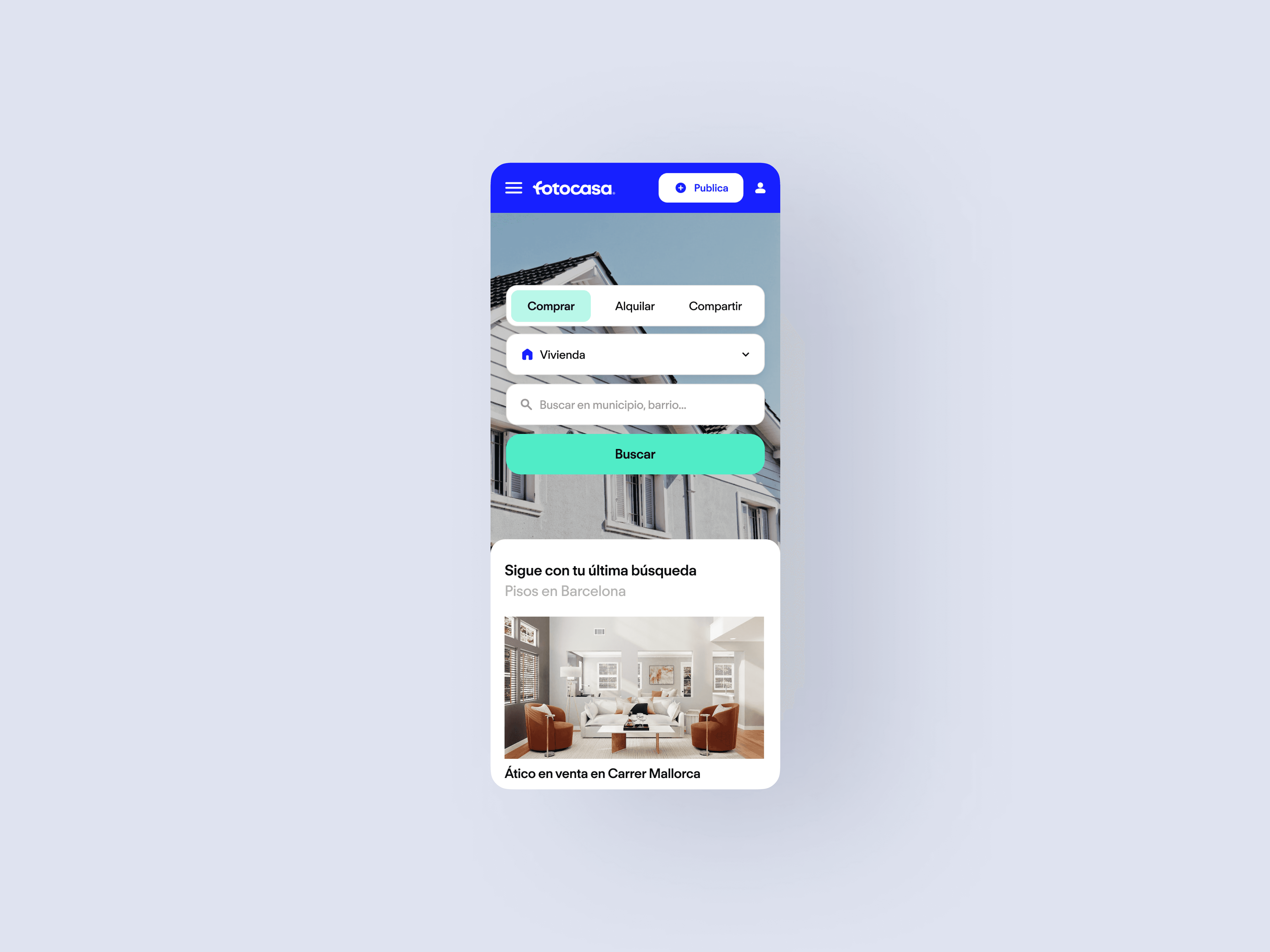

fotocasa
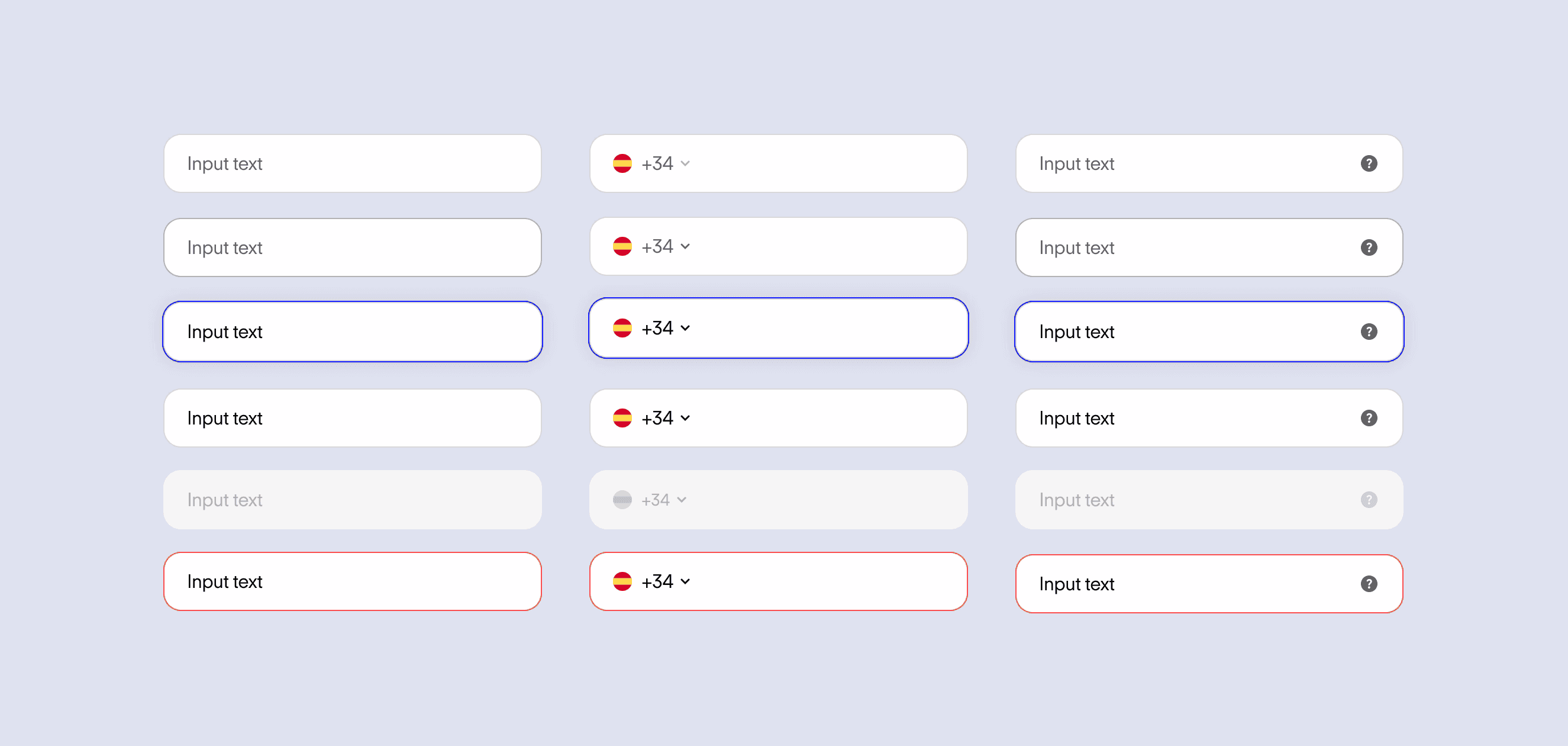
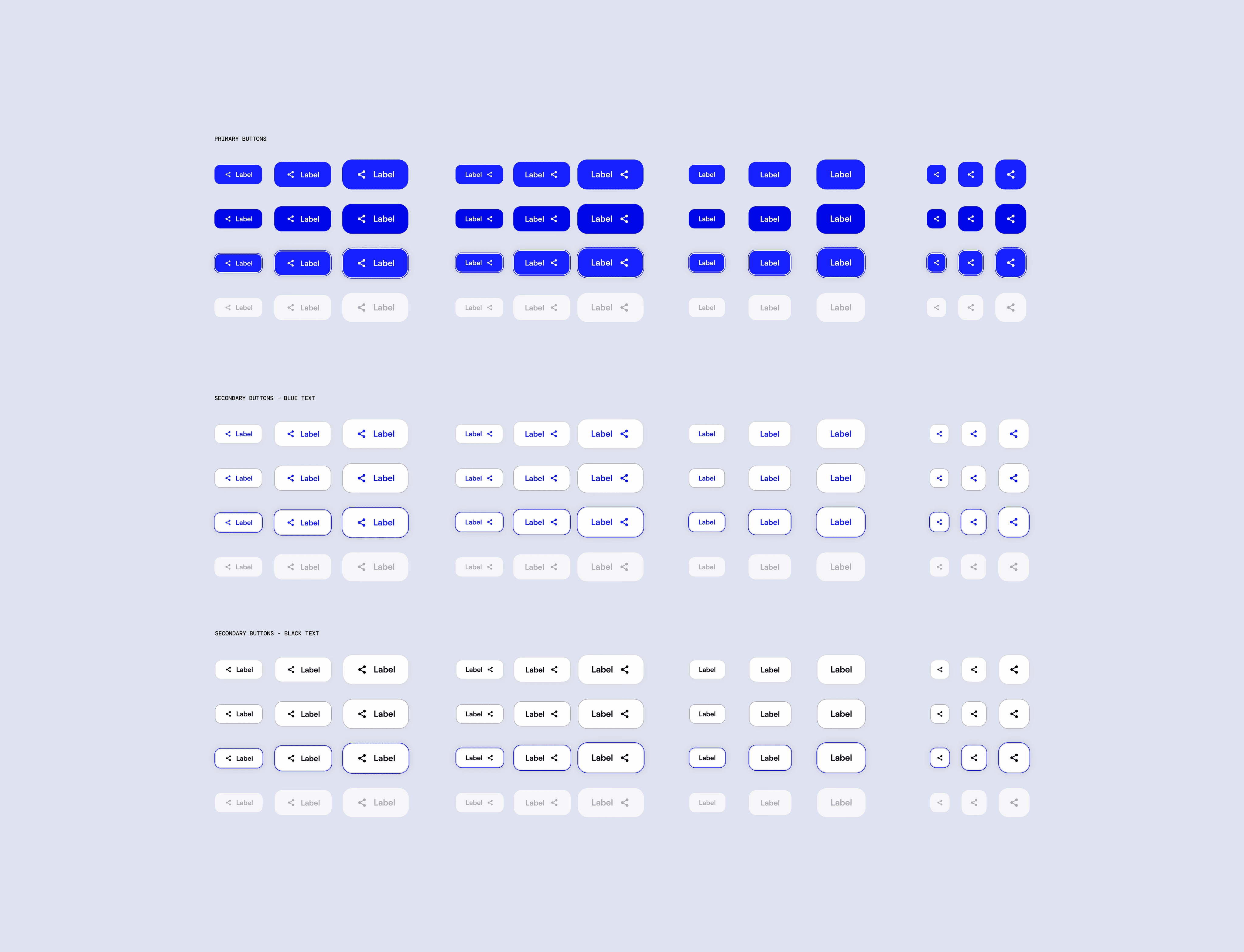
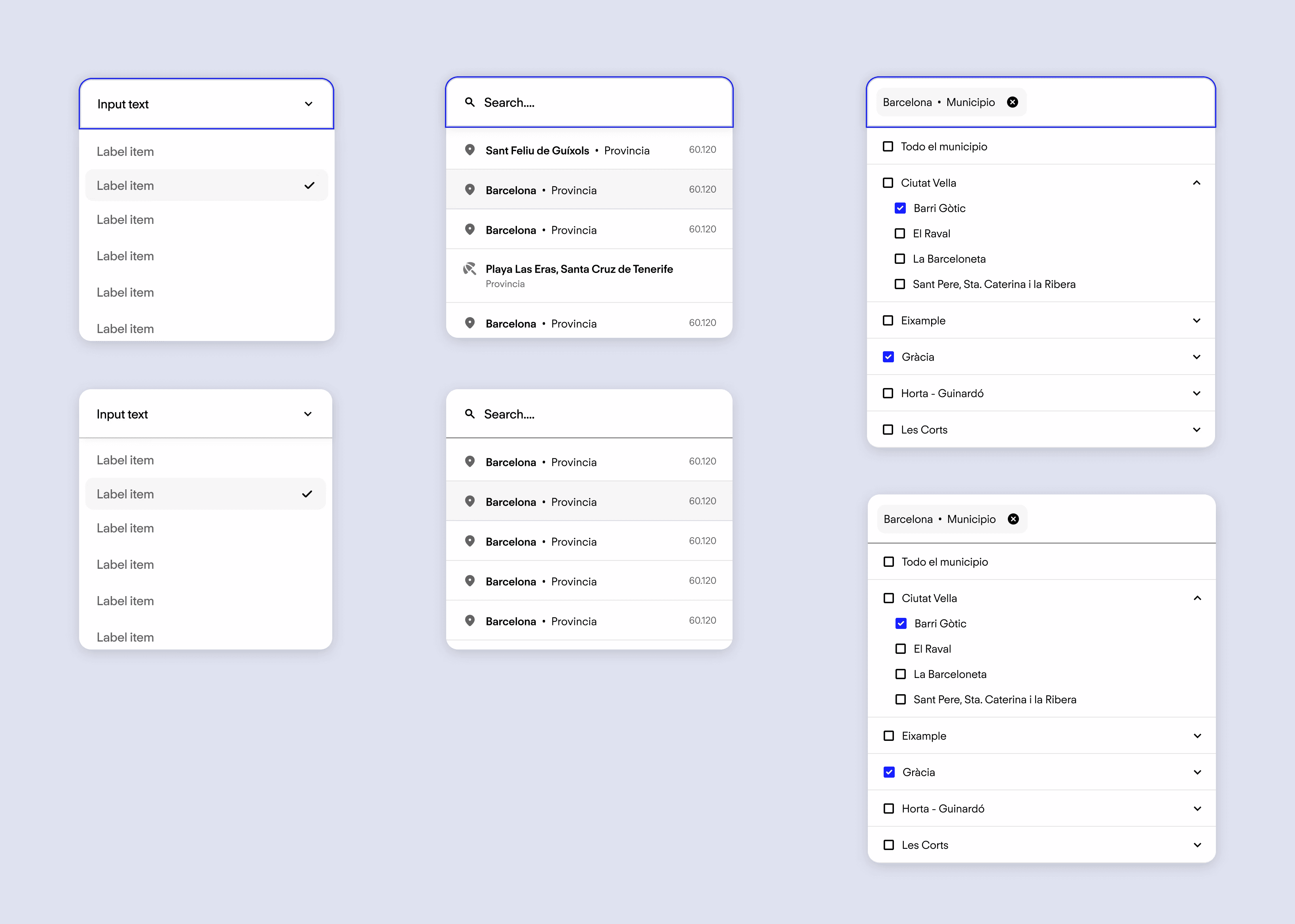
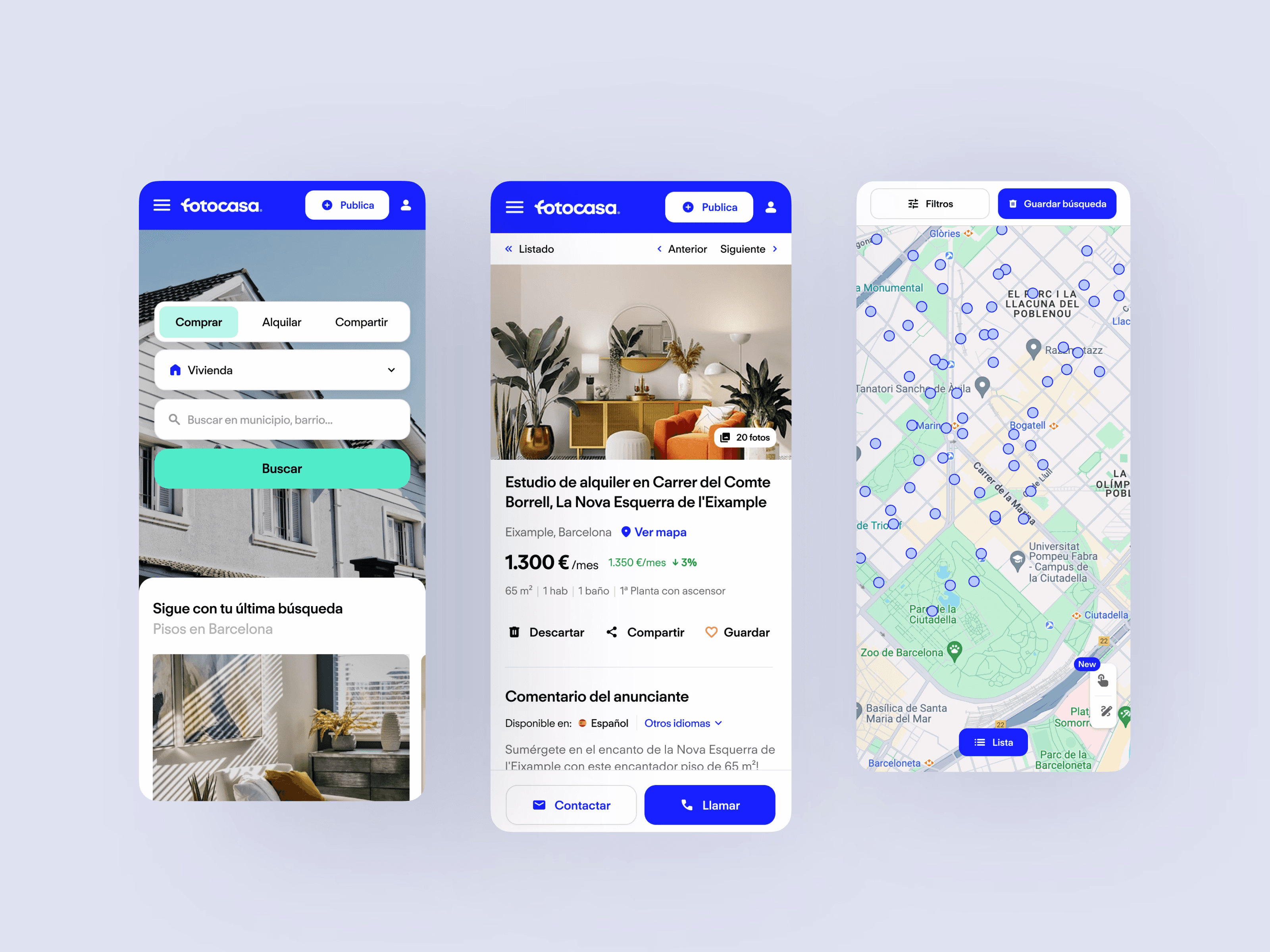
A multi-brand design system enabling consistent and scalable digital experiences across marketplaces.
00
problem
As digital marketplaces grew across brands and products, maintaining consistency and quality became increasingly difficult. Teams were working with duplicated components, slightly different patterns, which led to inconsistent user experiences and slower delivery. In a multi-brand and international context, this lack of shared foundations also made collaboration harder. Design decisions were often re-discussed, maintenance costs increased, and scaling product development became more complex than necessary.
solution
SUI was created as a centralized, multi-brand design system to provide a shared foundation for design and product teams. The goal was not to make all brands look the same, but to define common patterns, components, and guidelines that could adapt to each brand’s identity. Through shared tooling, documentation, and governance, SUI helped teams work more efficiently while delivering consistent user experiences across brands and regions.
The initiative behind SUI was driven by the need to bring structure and alignment to a complex, multi-brand ecosystem. As platforms like Fotocasa, Habitaclia, Coches.net, Milanuncios, and InfoJobs evolved independently, differences in patterns, workflows, and tooling gradually increased friction for both users and internal teams.
Context
The goal was not simply to standardize visual elements, but to establish a shared system that could evolve over time. SUI was conceived as a flexible foundation capable of adapting to different brand identities while providing enough structure to reduce duplication, improve collaboration, and support long-term product development.
The work on SUI began with a deep analysis of existing products, workflows, and design patterns across brands. Design and product teams collaborated closely to identify common needs, reusable components, and opportunities for standardization without compromising brands. This resulted in a flexible design system that could be shared across teams while remaining adaptable to each platform’s unique context.
Approach
We began by reviewing existing products, workflows, and design patterns across brands to understand what was shared and where differences actually mattered. Design, product, and engineering teams collaborated closely to identify reusable components and common interaction patterns.
Instead of building everything upfront, we grew SUI incrementally. We focused on making it practical and usable in day-to-day work, supporting adoption with clear documentation, defined ownership, and simple governance. This helped teams trust and rely on the system as part of their normal workflow.
Impact
Beyond visual consistency, SUI established clearer workflows and shared ways of working between design, product, and engineering. Governance models helped teams make decisions with confidence, while documentation and tooling reduced ambiguity and onboarding effort. As a result, collaboration improved and delivery became more predictable across teams.
The system was later extended to support international expansion, aligning with platforms such as Leboncoin and Kleinanzeigen. As SUI matured, it enabled faster delivery, improved quality, and stronger alignment across teams, helping multiple marketplaces scale consistently while maintaining a cohesive and recognizable user experience across brands and regions.
01
02
03
04
see also